
Behind the conversation
What should your AI kitchen assistant do?
Less menu searching, a conversation that adapts, and clear information about the food behind each suggestion.
Begin with what matters to you.
You should be able to say, ‘I’ve had a long day. I want something comforting,’ rather than complete a long questionnaire. A useful assistant considers the preferences you share, offers a suggestion and explains the choice. You keep the final say.
Make changing your mind easy.
‘Something plant-based instead.’ ‘Show me another option.’ ‘Why this dish?’ Small requests should be enough to refine the conversation. In the u-vibe browser demo, you can explore twelve example meals, ask follow-up questions and see the selected dish change. Live AI is available within the site’s usage limits; guided examples remain available when it is not.
Use reliable meal information.
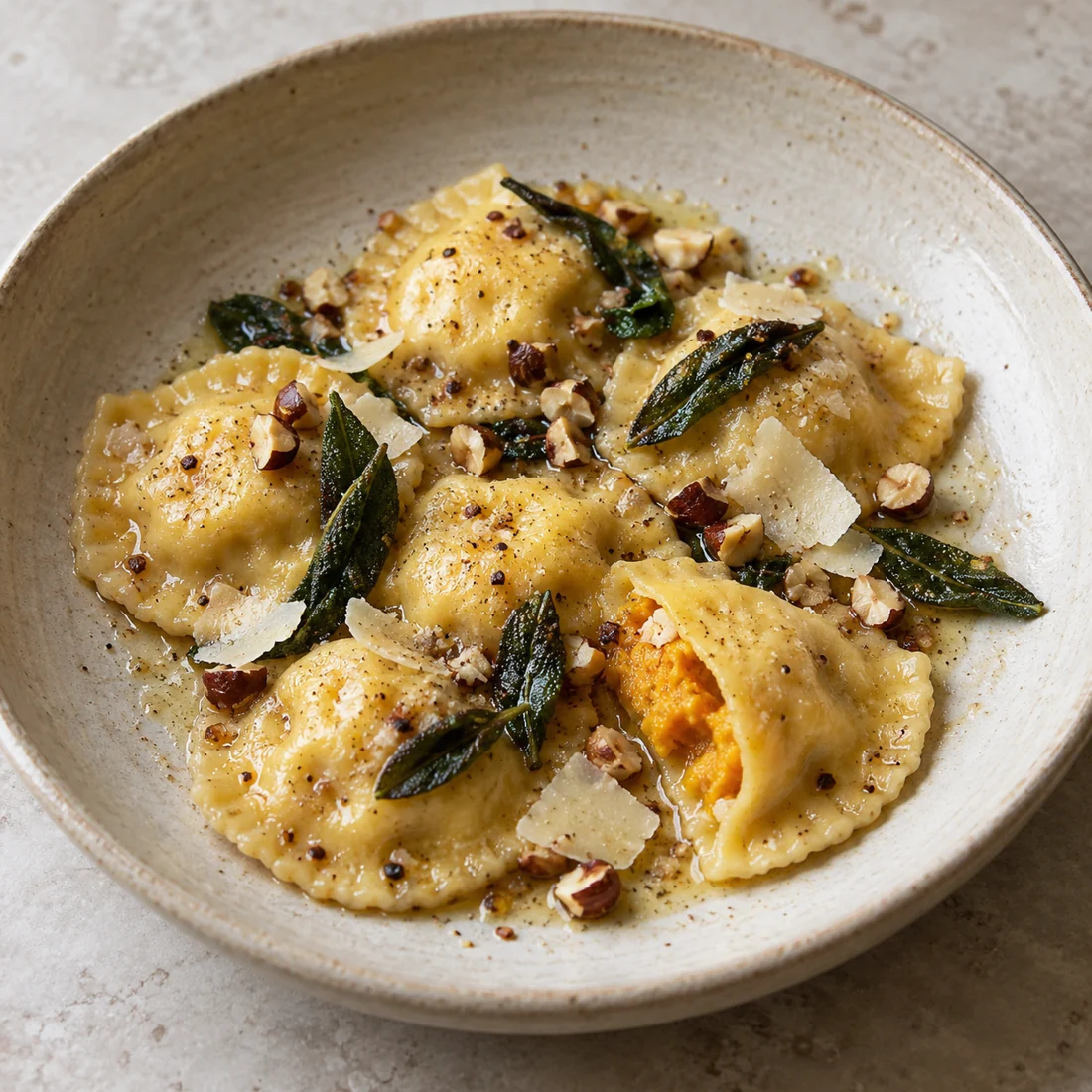
A future ready-meal assistant would need accurate product information from food partners: ingredients, portions, nutrition and compatible preparation instructions. The current demo uses illustrative meals and values. Its pictures and descriptions do not establish a real meal’s ingredients or suitability for a dietary or medical need.
Let you control the context.
Preferences help narrow a choice. They do not tell an AI what your body needs. The demo lets you explore favourites, portions and optional goals during the current visit; it is not a saved health account. A useful nutrition overview would depend on verified producer data and what you confirm eating, including food outside the appliance.
Connect the conversation to the kitchen.
The u-vibe ambition combines this personal assistant with an appliance for fresh, pre-prepared meals in compatible packaging. The physical demonstrator has working screens and mechanical actions, but does not heat food. Heating, packaging compatibility and full appliance integration still require funded development. Proposed sensors would guide heating, not measure nutrients or detect allergens.